

Moths can wreck your favorite sweaters, coats, and stored clothing without you even noticing until it’s too late. These tiny pests target natural fibers such as wool, silk, and cashmere, leaving telltale signs of their presence. Knowing what to look for can save you from losing valuable pieces in your wardrobe. This guide covers the main warning signs of moth damage, from visible holes to strange odors. If you’re dealing with a severe infestation, New York’s expert pest control services can help you get rid of these destructive pests for good.
Visible Holes in Fabrics
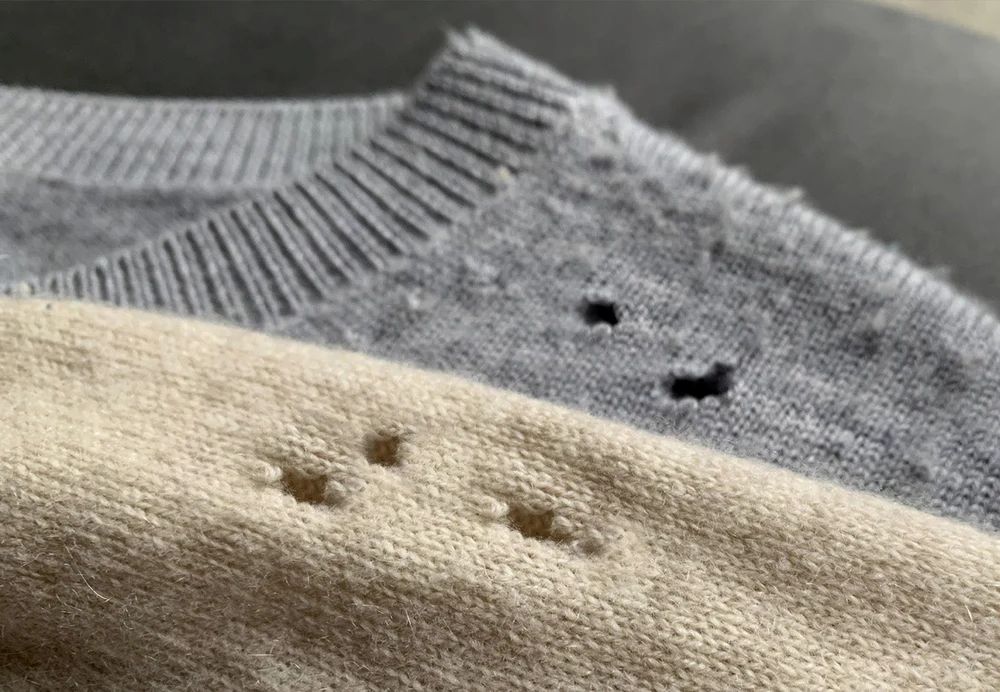
The most apparent sign of moth damage is small, irregular holes in your clothes. These holes usually measure between 0.1 and 0.3 inches across and are scattered around the garment. Moth larvae are the actual culprits; they chew through natural fibers like wool, silk, and cashmere as they feed. The holes look uneven because of how the larvae eat, which sets them apart from damage caused by other pests. Check your clothes regularly, especially items you’ve stored or don’t wear often. Catching these holes early means you can act before the damage spreads to the rest of your closet.
Presence of Larvae or Moths
Spotting live moth larvae or adult moths on your clothes indicates an active infestation that needs immediate attention. Larvae like to hide in spots you might not think to check, cuffs, collars, and along seams, where they can munch on natural fibers without being disturbed. Adult moths prefer dark, quiet areas where they can lay eggs that eventually hatch into those hungry larvae. When inspecting your clothes, look closely for any movement or webbing, especially in folds and hidden corners. Adult moths are more active at night, so evening is a good time to spot them. Acting fast is the best way to stop the problem from getting worse.
Discoloration or Fading
Checking your clothes for discoloration or fading can reveal potential moth damage. You might notice irregular patches where the fabric looks lighter or off-color compared to the surrounding areas. This happens because moth larvae weaken and change the material as they feed on the fibers. Fading shows up when certain spots lose their original color due to larval activity. The change usually happens slowly and can leave your clothes looking patchy or uneven. Understanding what discoloration seems like on your garments helps you catch infestations early and protect the rest of your wardrobe.
Musty or Foul Odor
A strange smell coming from your clothes can be a red flag for moth damage. This odor often comes from moth larvae or their droppings, which become trapped in the fabric fibers. Here’s what different smells might mean:
- Sour Smell: A sour or acidic scent may indicate that the fabric is breaking down due to moth activity.
- Musty Scent: A damp, earthy smell may indicate larvae feeding on natural fibers such as wool or silk.
- Foul Aroma: A rotting smell often signals a severe infestation of larvae, causing major damage.
- Chemical-like Scent: A synthetic smell could come from mothballs hiding an underlying problem.
- Moldy Perfume: A moldy smell may mean moisture has built up in the fabric due to moth damage, leading to mold growth.
Webbing or Silk Threads
Looking for webbing or silk threads in your clothes can help you spot moth activity. Moths lay eggs on natural fibers, and when those eggs hatch, the larvae start feeding and leaving behind silk webbing as they move around. Check your garments carefully, especially in hidden spots like cuffs and collars, for fine silky threads or small patches of webbing. These threads are a clear sign that moths have been at work. If you find any, take action immediately to prevent further damage. Regular inspections and proper storage go a long way in keeping these pests away from your clothes.
Damage in Specific Areas
Moth damage often shows up in predictable spots on clothing, which can help you catch it early. Here are the key areas to check:
- Collars and Cuffs: Look for uneven fraying and thinning fabric.
- Underarms: Check for holes or thin spots. Moths love sweat and body oils.
- Hems and Seams: Watch for loose threads and weak stitching.
- Cloth-Covered Buttons: Moths sometimes target these because of the organic materials used to cover them.
- Folded or Stored Areas: Damage can hide in pockets or folded creases.
Giving these areas a close look can help you find moth damage before it spreads to the rest of your wardrobe.
Related Topics: