

Dealing with spider mites can be a frustrating challenge for any plant owner. These nearly invisible pests often go unnoticed until they’ve already caused significant damage. This post walks you through simple yet effective ways to manage and prevent spider mite infestations using natural pest control services and proven home remedies. From identifying these pests early to using eco-friendly remedies, every step is designed to protect your plants without the use of harsh chemicals.
Identifying Spider Mites
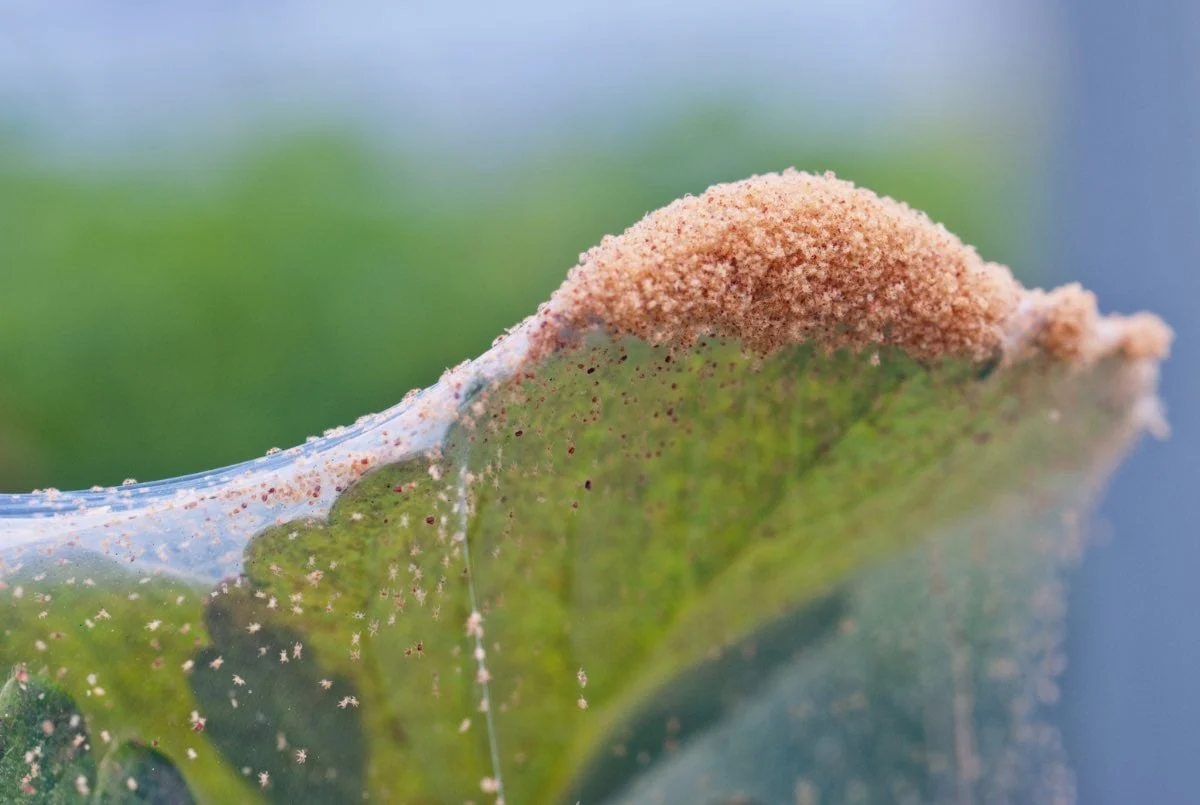
To properly protect your plants, it’s essential to first understand what you’re dealing with. Spider mites are extremely small arachnids, members of the Tetranychidae family, typically less than a millimeter in size. They vary in color, red, green, yellow, or brown, and often go undetected due to their size. One of the most telling signs of a spider mite problem is the presence of fine, silk-like webbing between stems and leaves. These webs serve as protection for the mites and their eggs. Additionally, spider mites feed by puncturing plant cells and sucking out their contents, which results in a speckled, stippled appearance on the leaves. If left untreated, this damage can lead to yellowing, leaf drop, and even plant death.
Natural Remedies for Control
Avoiding chemical-heavy treatments is not only safer for your plants but also for the environment and your household. Natural remedies offer an effective solution for managing spider mites without introducing toxins. Neem oil, derived from the seeds of the neem tree, acts as both a repellent and a growth disruptor for spider mites. Another commonly used remedy is insecticidal soap, which coats and suffocates the mites on contact. You can also encourage biological control by introducing predatory mites such as Phytoseiulus persimilis, which feed on spider mites and help reduce their population naturally. Supporting these efforts with regular rinsing of plants using a strong stream of water can physically remove mites and disrupt their webbing. Managing humidity levels also plays a crucial role, as spider mites prefer dry conditions.
Regular Plant Inspections
Staying ahead of a spider mite problem requires constant vigilance. Frequent inspections are essential for catching infestations early. The undersides of leaves are a common hiding spot for spider mites, so be sure to carefully examine them whenever you’re watering or pruning. Look for telltale signs like webbing, yellow spots, or a dusty appearance. These symptoms often appear before the mites are even visible to the naked eye. Being proactive with inspections allows for quicker intervention, which can save your plants from irreversible damage and reduce the likelihood of a full-blown infestation spreading through your garden or indoor space.
Effective Watering Techniques
Watering may seem like a straightforward task, but doing it correctly can help prevent spider mite issues. Over-watering weakens a plant’s root system and reduces its natural defenses, making it more vulnerable to pest infestations. Instead, aim for deep watering sessions that allow the soil to dry out slightly between waterings. This strengthens root systems and discourages mites, which prefer weakened or stressed plants. Another helpful strategy is to water at the base rather than overhead. Keeping the foliage dry reduces humidity around the leaves, which can otherwise create an inviting environment for spider mites. Tools like soaker hoses or drip irrigation systems are ideal for targeted watering and minimizing moisture on the plant surface.
Using Beneficial Insects
Nature has its own pest control system, and tapping into it can be one of the most sustainable methods for managing spider mites. Certain insects are natural predators of spider mites and can help maintain balance in your garden without the need for pesticides. Ladybugs, for example, are not only charming to look at but also highly effective at consuming spider mites. Similarly, some species of predatory mites specifically target spider mites and can dramatically reduce their populations when introduced strategically. Another helpful ally is the lacewing, whose larvae are known to devour a variety of soft-bodied pests, including spider mites. Encouraging or introducing these beneficial insects into your garden creates a healthy, natural ecosystem where pest populations are kept in check.
Implementing Physical Barriers
In addition to biological and organic solutions, physical barriers offer a proactive line of defense. These barriers work by simply preventing spider mites from reaching your plants in the first place. Fine mesh netting or row covers allow sunlight and air to pass through while keeping pests out. These materials should be secured tightly around the plant or garden bed to eliminate gaps where mites might slip in. It’s also important to check the barriers regularly for any signs of wear, damage, or looseness. Even a small tear can be an entry point for an infestation. Using these barriers is a straightforward and chemical-free way to add a layer of protection, especially in high-risk seasons or areas prone to mite outbreaks.
Related topics: