

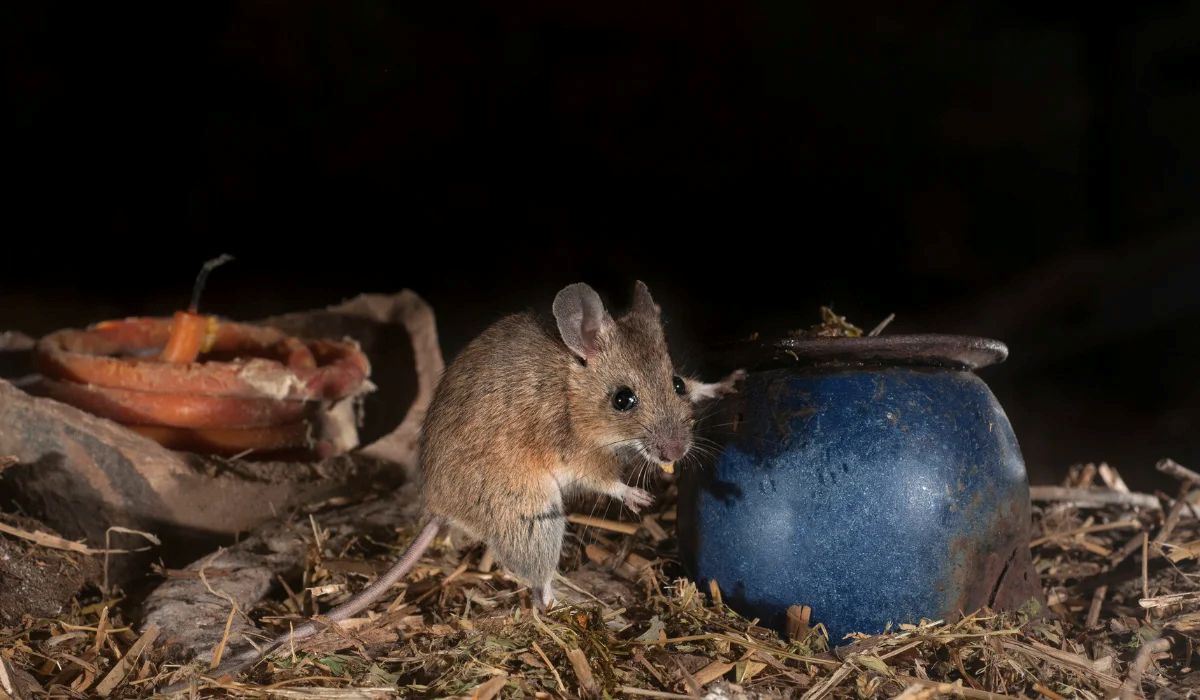
Mice in the attic can cause serious damage to insulation, wiring, and stored belongings if left unchecked. Getting rid of them takes a mix of sealing entry points, setting traps, and keeping the space clean. The best pest control services use a combination of these methods to effectively handle infestations. This post walks through proven techniques you can use to tackle the problem yourself. We’ll also cover when it makes sense to call in a professional.
Inspect and Seal Entry Points
Start your mouse control efforts by checking every possible entry point in the attic. Look at areas where pipes, vents, and cables come through; mice can squeeze through openings as small as a dime. Use steel wool, caulk, or foam insulation to close up any gaps or cracks you find. Check around doors, windows, and the roofline, as these are common entry points for rodents. Pay attention to where different materials meet, as these joints often create small openings. Sealing all potential entry points is one of the most effective ways to keep mice out of your attic.
Set Up Mouse Traps Strategically
Check your attic and place mouse traps in spots where you’re most likely to see rodent activity near entry points, along walls, and in corners. For the best results, set traps perpendicular to walls with the trigger end facing the wall. Peanut butter or small pieces of bacon work well as bait since mice love both. Check your traps daily and remove any caught rodents right away. Wear gloves when handling traps to avoid leaving your scent, which can make mice avoid the area. Try using different trap types, like snap traps and humane live traps, to increase your chances of catching them. Where you place traps and what bait you use make a big difference in how well this method works.
Implement Natural Deterrents
Natural deterrents can help keep mice out of your attic. Peppermint oil has a strong scent that mice tend to avoid. Soak cotton balls in peppermint oil and put them near entry points or spots where mice might hide. Mothballs are another option; they contain naphthalene, which produces a smell mice don’t like. Just be careful with mothballs since they can be toxic if pets or kids get into them. You can also plant mint near attic entry points, as mice avoid the smell. These natural options work best when combined with other control methods.
Keep Attic Clean and Organized
A clean and organized attic makes the space less appealing to mice. Start by getting rid of clutter that could give mice places to hide or materials to build nests. Store your belongings in sealed containers so mice can’t get to them. Vacuum and dust the attic regularly to remove crumbs or insects that might attract rodents. Fix any leaks or openings that could serve as entry points. Install shelving to keep items off the floor, making it harder for mice to find hiding spots. When your attic stays clean and organized, mice have fewer reasons to stick around.
Utilize Ultrasonic Repellents
Ultrasonic repellents offer another way to deter mice from your attic. These devices emit high-frequency sound waves that bother rodents but are typically inaudible to people. Place them in areas where mice are active, like near entry points or nesting spots. Make sure nothing blocks the sound waves so the devices work at full strength. Ultrasonic repellents work best when paired with other methods, such as sealing entry points and keeping the attic tidy. Check the devices regularly for any signs they’re not working and replace them if needed. They can be a solid addition to your overall mouse control plan.
Consult with a Pest Control Professional
Sometimes the smartest move is to bring in a pest control professional to assess and handle the mouse problem in your attic. These experts have the knowledge and tools to eliminate infestations safely and efficiently. Here’s why professional help can make a difference:
- Tailored Solutions: They create a plan based on the severity of your infestation.
- Preventive Measures: Pros can suggest steps to prevent future infestations.
- Expertise: Their training means thorough inspections and accurate treatment.
- Safety: They use methods and products that keep your family and pets safe.
- Legal Compliance: They know the regulations and follow all required guidelines.
Related Topics: