

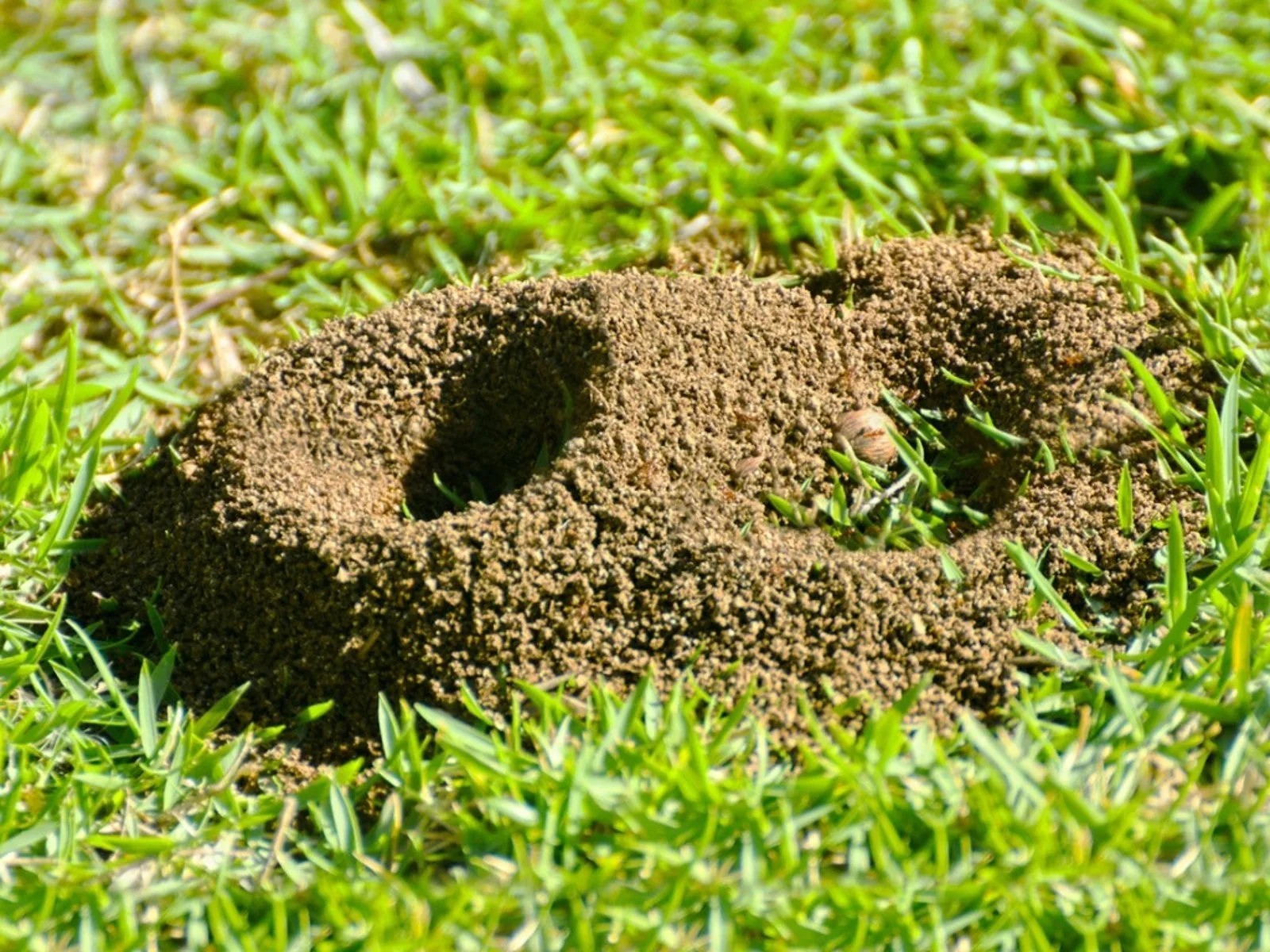
Dealing with ants in your yard can feel overwhelming when you see them marching across your lawn. Effective ant control starts with understanding what attracts them and how to stop them. This guide covers practical methods from identifying ant species to setting up traps and maintaining your yard. You’ll learn both natural solutions and when to call professionals. These proven techniques will help you take back your outdoor space.
Identify Ant Species in Your Yard
Managing ants begins with identifying the specific species you’re dealing with. Look at their color, size, and whether they have wings. Watch how they behave, where they nest, and what paths they follow. Use an identification guide or online resources to match what you see with known species. Different ant species require different control methods, so accurate identification is crucial. If you’re stuck, consider reaching out to entomologists or pest control experts for assistance. Understanding your specific ant problem is the first step to solving it.
Implement Natural Ant Repellents
Natural repellents can effectively keep ants away without the use of harsh chemicals. Diatomaceous earth is a powder that dehydrates ants when they walk through it. Essential oils like peppermint, cinnamon, or tea tree oil have strong scents that ants hate. Mix these oils with water and spray them around entry points or ant trails. Citrus peels from lemons or oranges work as barriers when scattered in problem areas. Vinegar mixed with water disrupts the scent trails ants follow to find food. Using these natural options strategically can keep ants from taking over your yard.
Set Up DIY Ant Traps
DIY ant traps target colonies that natural repellents miss. Here’s how to make them work:
- Selecting the Trap Location: Put traps near ant trails or entry points where you see the most activity.
- Using Proper Bait: Select baits that match the specific ant species in your yard for optimal results.
- Regular Monitoring: Check traps frequently to determine the number of ants being caught and refresh baits as needed.
- Sealing Entry Points: After trapping ants, seal off their entry points to stop new colonies from moving in.
Maintain Cleanliness and Hygiene
A clean yard is your best defense against ants. Ants search for food, water, and shelter, so removing these will keep them away. Clean up food crumbs, spills, or leftovers immediately, especially those from sweet or greasy foods that attract them. Ensure trash cans have tight-fitting lids and empty them regularly to prevent odors. Trim back plants and clear debris, such as stacked firewood, that ants use for nesting. Keeping your yard clean and free of tempting materials dramatically reduces ant problems.
Use Professional Ant Extermination Services
Professional exterminators bring expertise and targeted treatments for stubborn infestations.
- Thorough Examination: Pros will inspect your yard to identify ant species and find their nests.
- Tailored Treatment Plans: They’ll create custom strategies based on your specific ant problem.
- Safe Application of Pesticides: Experts apply pesticides carefully to ensure effective work while protecting the environment.
- Follow-Up Monitoring: They’ll schedule regular visits to check progress and adjust the treatment if needed.
Prevent Future Ant Infestations
Stopping ants before they arrive saves you time and hassle. Start by creating a barrier around the edge of your yard using gravel or rocks that ants cannot easily cross. Plant ant-repelling plants, such as mint, lavender, or marigolds, as natural deterrents. Mow your lawn regularly, remove debris, and keep outdoor areas free of food sources. Seal cracks in foundations, walls, and windows to block ants from entering your home. Combining these prevention methods protects your yard from future ant invasions and keeps your outdoor space enjoyable.
Related Topics: