

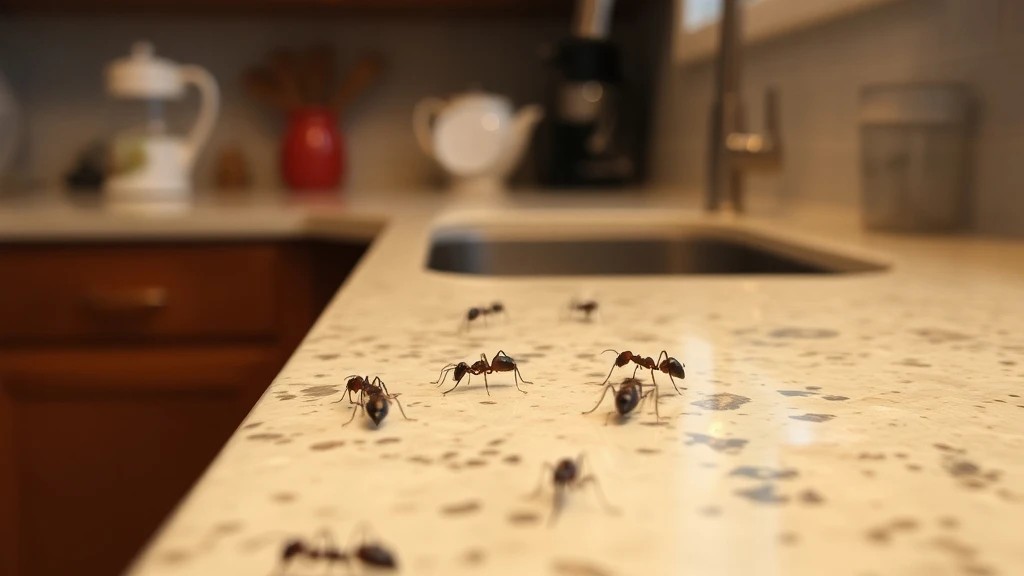
Ants marching across your kitchen counter can turn meal prep into a frustrating battle. Before calling professional ant exterminator services, you can try several effective home solutions. This guide walks you through practical steps that target why ants invade your kitchen in the first place. From finding their entry points to removing what attracts them, these methods work together to keep your kitchen ant-free. Let’s break down each step so you can reclaim your space.
Identify Ant Entry Points
Start by checking all possible ways ants might be getting into your kitchen. Look at gaps around windows and doors, cracks in walls, and openings around pipes. Ants can squeeze through incredibly small spaces when searching for food and water. Use a flashlight to inspect areas where different materials meet, these spots often create perfect entry points. Pay close attention to corners and baseboards. Finding and blocking these entry points is your first defense against kitchen ants.
Keep Kitchen Surfaces Clean
Keeping your kitchen surfaces clean disrupts ant trails and removes what attracts them. A clean environment makes your kitchen less appealing to these pests. Here’s what to do:
- Wipe down countertops: Clean counters with soap and water daily to remove food residue and spills.
- Sweep and mop floors: Sweep daily to remove crumbs and debris, then mop with a mild detergent.
- Empty the trash regularly: Take out the garbage promptly to prevent odors and food scraps from attracting ants.
- Store food properly: Keep food in sealed containers to prevent ants from reaching it.
Seal Food Containers Properly
Tightly sealed food containers prevent ants from reaching and contaminating your stored food. When ants find food, they leave scent trails for other ants to follow. Sealed containers with tight lids or airtight seals create a barrier that breaks these trails. Plastic containers with secure locks or glass jars with rubber gaskets work best for maintaining a good seal. Check your containers regularly for any damage or wear that could allow ants to enter. These careful steps protect your kitchen from ant invasions.
Use Natural Ant Repellents
Natural ant repellents provide an eco-friendly solution for combating ant problems in your kitchen. Understanding how these repellents work helps you use them better. Here are four proven natural methods:
- Peppermint Oil: Ants hate the strong smell of peppermint oil. Mix a few drops with water and spray it at entry points.
- Cinnamon: Sprinkle ground cinnamon where ants travel. The strong scent messes up their communication trails and keeps them away.
- Vinegar: Mix water and vinegar to disrupt ant trails. This confuses them and stops them from entering your kitchen.
- Citrus Peels: The natural oils in citrus peels serve as a deterrent. Put peels near entry points to keep ants out.
Remove Sources of Attraction
You can significantly reduce ant activity by eliminating what attracts them. Ants love sweet, greasy, or protein-rich foods. Store all food in airtight containers, clean up spills immediately, and avoid leaving dirty dishes in the sink. Keep pet food sealed when your pets aren’t eating. Wipe up any crumbs or food bits on counters or floors. Check and clean kitchen appliances, such as toasters or microwaves, regularly. Food residue accumulates in these areas. Removing these attractants creates an environment that ants dislike, helping to control their presence in your kitchen.
Regularly Dispose of Garbage
Regular garbage disposal helps keep your kitchen clean and free from ants. Proper waste management removes potential food sources that bring ants into your kitchen. Here are four steps to manage waste and prevent ant problems:
- Use Sealed Containers: Store waste in bins with tight lids to stop odors from attracting ants.
- Empty Containers Regularly: Take out waste before it starts to smell or attract pests.
- Clean Containers: Wash and disinfect waste bins regularly to remove food residues that could attract ants.
- Maintain Outdoor Bins: Keep outdoor waste containers tightly sealed and place them away from the house to prevent ants from coming inside.
Related Topics: