
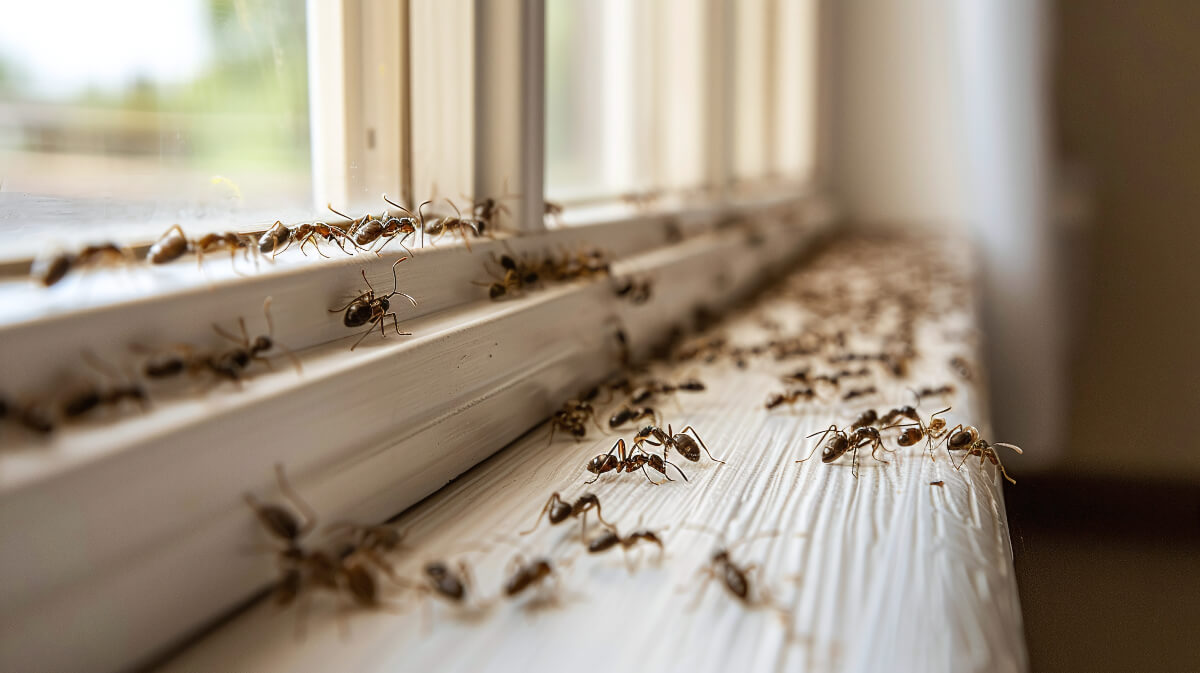
Eliminating ants requires understanding their behavior and employing the appropriate control methods. This guide covers the professional techniques that expert pest control companies in NYC use to handle ant problems. You’ll learn about identifying different ant species, treatment options, and prevention strategies. We’ll also cover eco-friendly solutions that work without harsh chemicals. These tips will help you understand what professionals do to eliminate ant infestations for good.
Ant Behavior Analysis
Ants live in organized colonies where they communicate through chemical signals called pheromones and physical movements. Each ant has a specific job, some food search, others care for the young, and some protect the nest. They release pheromones to communicate information about food locations, dangers, or the location of the nest to other ants. Ants also use body language, such as antenna movements and leg tapping, to communicate information. Understanding how ants communicate enables pest control professionals to predict their movements, locate their nests, and develop targeted plans to eliminate them. Understanding ant behavior is crucial to disrupting their colony structure and eliminating them.
Identification of Ant Species
Identifying ant species can be tricky since many look and act alike, but correct identification matters for proper treatment. Professionals examine physical traits, such as size, color, and body shape, to distinguish between species. Pavement ants are small and dark brown, while Carpenter ants are bigger and black. Where ants build their nests also provides clues. Odorous House ants like moist spots, while Pharaoh ants prefer warm areas. Watching their behavior, such as what they eat and how they search for food, also helps. By combining these factors, pest control professionals can identify the exact species and choose the most effective treatment method.
Targeted Treatment Approaches
Different ant species need different treatment methods based on their unique habits and behaviors. Here are the main strategies professionals use:
- Baiting: Placing bait traps where ants are most active helps eliminate entire colonies.
- Barrier Treatment: Applying insecticides around entry points and ant trails creates a protective barrier.
- Dust Insecticides: Using dust formulas in wall voids and hidden spaces reaches deep into ant nests, effectively targeting these pests.
- Crack and Crevice Treatment: Injecting insecticides into cracks and crevices where ants hide provides targeted control.
These methods target specific ant behaviors to get better results than general treatments.
Prevention and Exclusion Techniques
Keeping ants out starts with blocking their entry points and making your space less attractive to them. Ants can squeeze through tiny openings like cracks in walls, gaps around windows and doors, and holes where pipes enter. Seal these spots with caulk or weatherstripping to stop ants from getting inside. Maintain a clean home by sweeping floors regularly, wiping down counters, and storing food in sealed containers. Remove food crumbs and spills right away since these attract ants. Trim bushes and trees so they don’t touch your house, which prevents ants from using them as bridges. These simple steps make your home less appealing to ant colonies.
Eco-Friendly Ant Control Methods
You can control ants using natural methods that are safe for your family and the environment. Here are some options that work:
- Diatomaceous Earth: This natural powder damages ants’ outer shells, causing them to dry out and die.
- Vinegar Solution: Mixing water and vinegar disrupts ant trails and covers up their scent markers, preventing them from returning.
- Peppermint Oil: The strong smell acts as a natural repellent that keeps ants away from your home.
- Caulking and Sealing: Closing off entry points and cracks prevents ants from getting in while also saving energy.
These methods control ants without using harsh chemicals that could harm pets or children.
Monitoring and Follow-Up Strategies
Regular monitoring and follow-up visits ensure ants stay gone for good. This involves checking bait stations, inspecting entry points, and tracking ant activity levels. By observing how well the treatments work, professionals can determine if adjustments are necessary. Follow-up actions should happen quickly, especially if ants show up again or find new ways inside. Using traps helps catch any remaining ants and provides information for future treatments. Keeping detailed records of what works helps improve strategies over time. Through careful monitoring and quick follow-up, professionals can keep your space ant-free while protecting other insects and wildlife.
Related Topics: