

Fire ants can turn your yard into an unwelcome battleground. These aggressive insects build visible mounds and deliver painful stings that can ruin outdoor activities. If you’re dealing with fire ant problems, you need practical solutions that actually work. This guide walks you through proven methods for ant control in New York and beyond, from natural remedies to professional treatments. We’ll cover everything you need to know to reclaim your yard.
Identifying Fire Ant Infestations
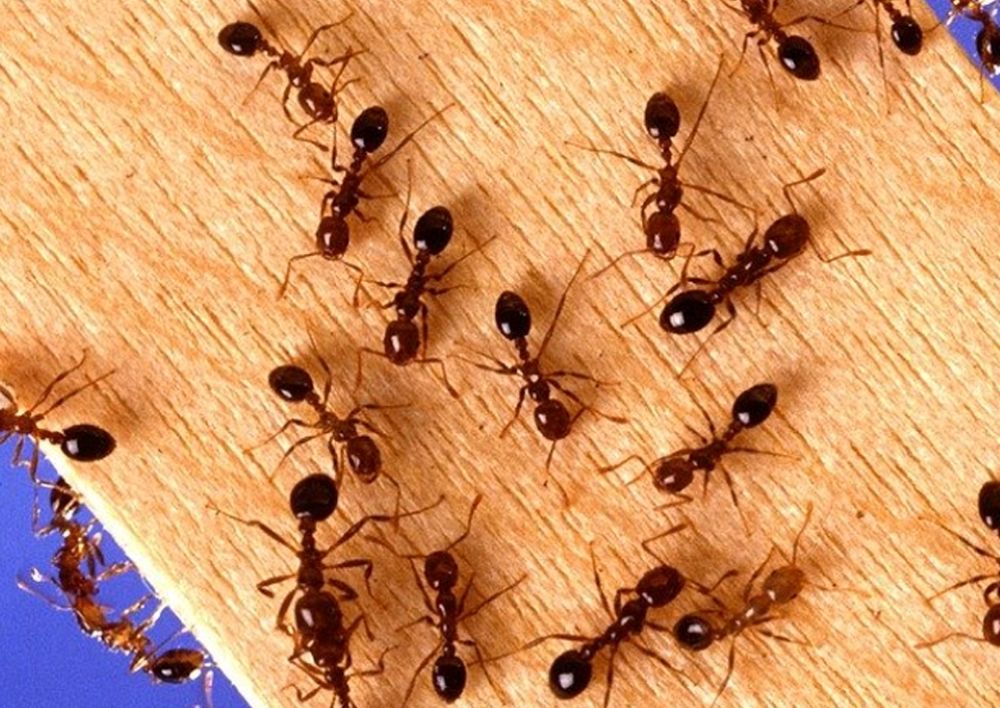
Look for mound-shaped nests when checking your yard for fire ants. These pests have a reddish-brown color and measure between 1.6 and 5 mm in size. Fire ants are highly territorial and sting aggressively when disturbed. These stings can be painful and may cause allergic reactions in some individuals. A single colony can house up to 250,000 worker ants and multiple queens. They build nests in soil, usually near building foundations or sunny spots. Spotting these mounds and recognizing their aggressive behavior helps you act quickly to control and eliminate them.
Natural Remedies for Fire Ant Control
You can tackle fire ants using common household items and natural substances. Pouring boiling water directly into ant mounds kills a large portion of the colony instantly. Diatomaceous earth spread around the perimeter of your house or in problem areas dehydrates the ants, causing their death. Mix equal parts water and white vinegar in a spray bottle and apply it directly on ants to repel them. Planting mint, catnip, or tansy around your yard creates a natural barrier, as ants dislike the strong scent of these plants.
Setting Up DIY Fire Ant Baits
You can make effective fire ant baits at home with simple ingredients. Mix 1.5 tablespoons of sugar with 1.5 teaspoons of boric acid in a container. The sugar lures the ants while the boric acid acts as a slow poison they carry back to their colony, killing ants at the source. Place small amounts in areas where fire ants are active, but keep them out of reach of children and pets. Refill the bait every few days until you notice a significant reduction in ant activity. Wear gloves when handling boric acid and wash your hands thoroughly afterward.
Using Chemical Treatments Safely
Safety is the top priority when applying chemical treatments to control fire ants. Always wear protective gear, such as gloves, goggles, long-sleeved shirts, and pants, to prevent skin contact. Read the product label carefully and follow the instructions exactly for proper mixing and application. Apply chemicals when the weather is calm to prevent drift and get better coverage. Stay away from water sources to avoid contaminating them and harming aquatic life. Keep children and pets away from treated areas until they’re completely dry. Store all chemicals in a secure spot where kids and pets can’t reach them.
Professional Fire Ant Extermination Services
Professional exterminators offer specialized solutions when DIY methods aren’t enough. They utilize expert knowledge, professional tools, and proven techniques to effectively tackle fire ant infestations. Professionals conduct detailed property assessments to determine the extent of the infestation and create a customized treatment plan tailored to the specific needs of the property. They consider factors like the ant species, colony size, and nest locations. These services utilize powerful insecticides not readily available to regular consumers for more effective elimination results. Exterminators also provide ongoing monitoring and maintenance to prevent future infestations, offering a long-term solution.
Preventing Future Fire Ant Invasions
Stop fire ants before they invade by taking proactive steps. Check your property regularly for fire ant mounds, paying attention to sunny areas with good drainage. Apply granular fire ant bait around the edges of your yard to create a protective barrier. Consider using nematodes, tiny roundworms that hunt and kill fire ant colonies, as a natural control option. Keep your yard clean by removing debris, trimming the grass short, and eliminating standing water. Build physical barriers with gravel or landscaping fabric to stop fire ants from nesting near your home. Consistent monitoring and these preventive steps greatly reduce your risk of future invasions.
Related Topics: